Ask. MIRA answers.
Visitors can speak, type or touch. MIRA answers questions about artworks, artists, contexts and routes using sources approved by the museum.
Voice · text · touch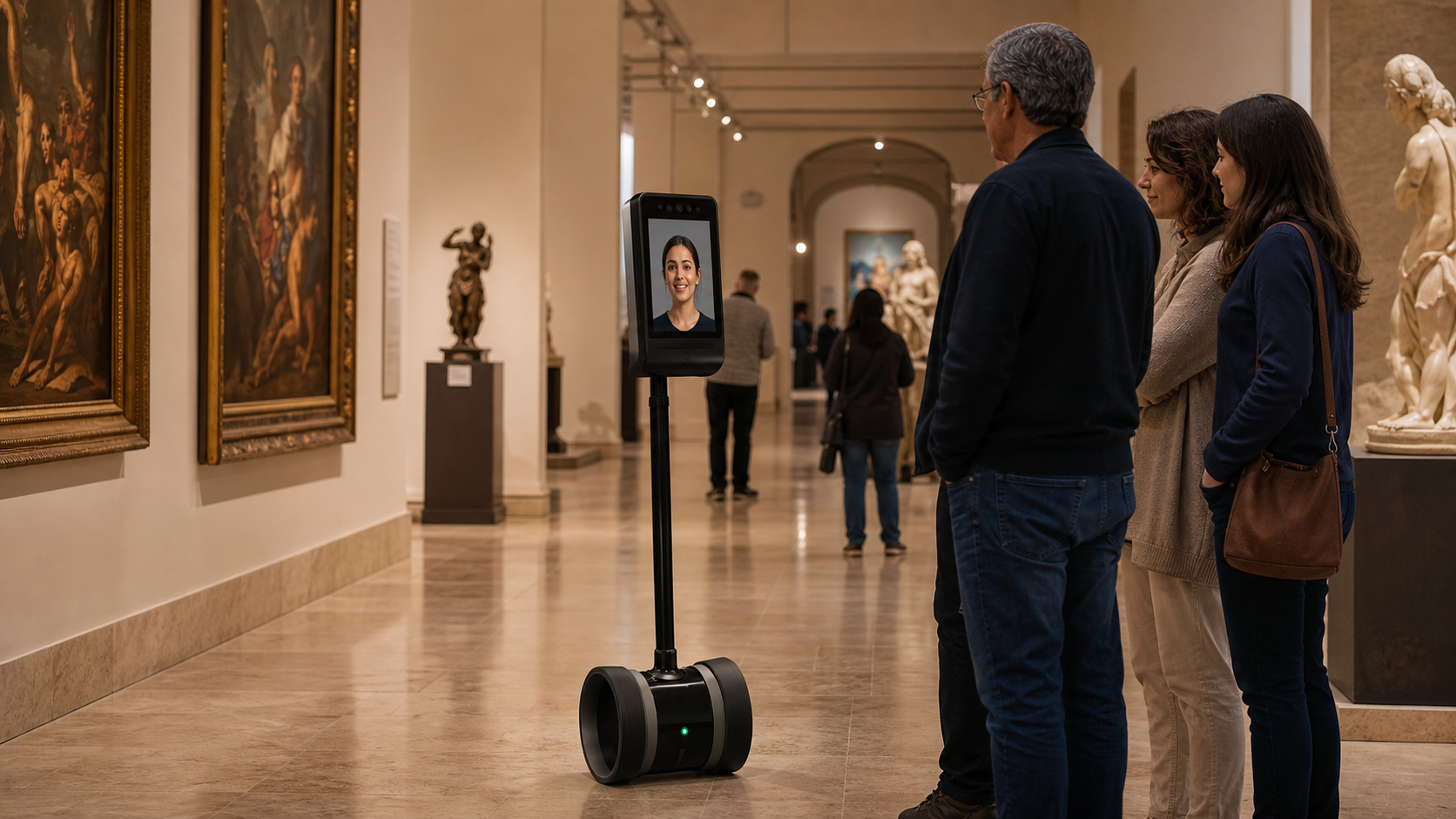 Concept visualisation of the equipment / 01
Planned launch in autumn 2027
Museum Intelligence for Responsive Assistance
The museum enters the conversation. A mobile, conversational and accessible guide that turns every visit into a safe dialogue with the collection.
01 / Product
Between an audio guide that only plays recordings and a chatbot that answers without context, there is room for a new presence in the museum.
MIRA combines a mobile base, a digital avatar and a knowledge platform controlled by the institution. It does not replace the team — it extends it.
Content validated by the museum.
Technology supervised by people.
Product study / Concept visualisation
MIRA is conceived as a quiet object: close enough to help, light enough not to compete with the collection.
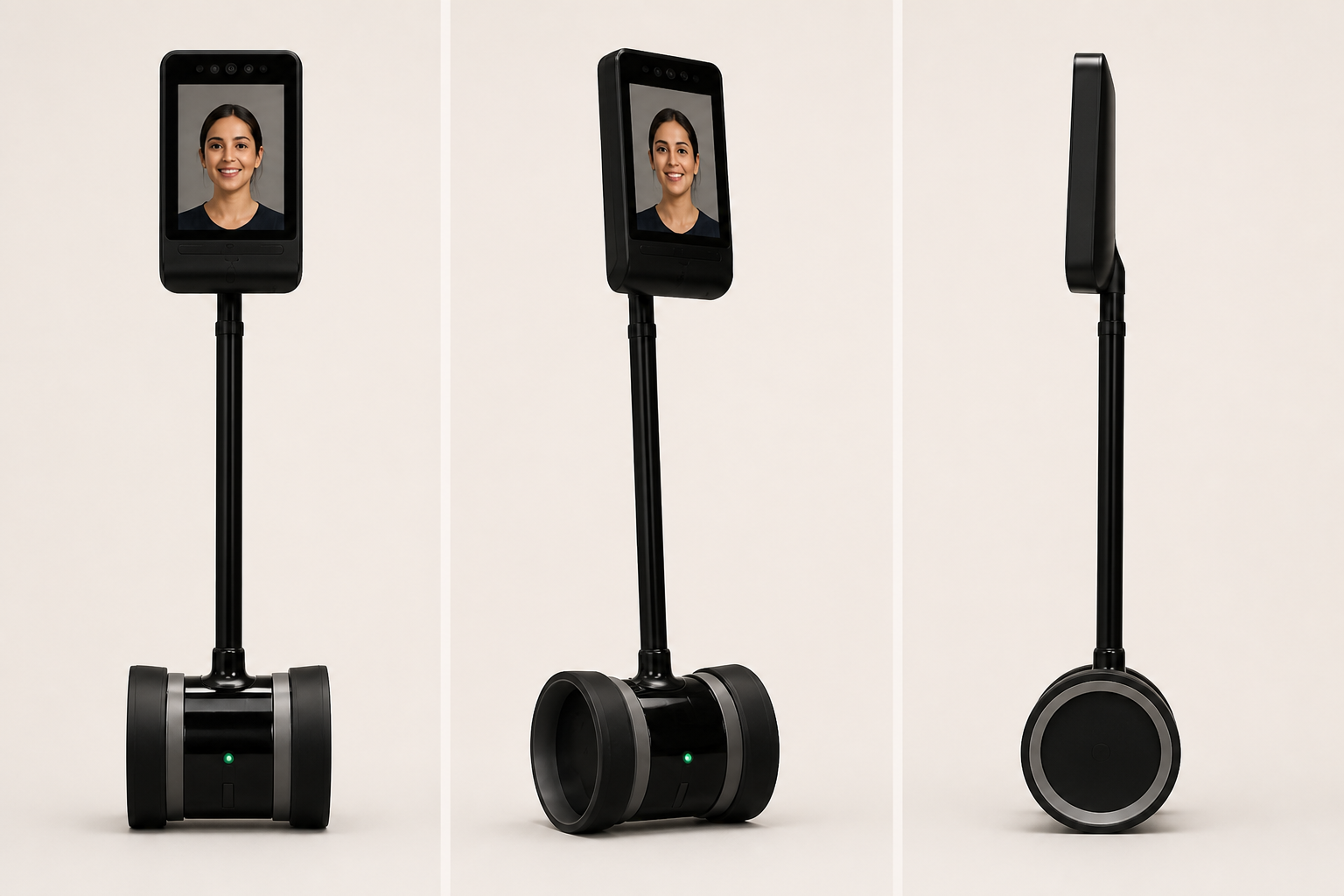
The interface automatically adjusts for children, standing adults and visitors who are seated or have reduced mobility.
A compact profile that follows the visit without dominating the route.
A low two-wheel base, visible status light and supervised movement through the gallery.
A visit that answers back
“Why does this artwork look unfinished?”
“That open appearance is part of the artist’s intention. Would you like to explore the process or the context of this series?”
A path of discovery, shaped for each visitor and grounded in the museum’s approved knowledge.
02 / Planned features
MIRA is in active development and will move next into supervised trials with museum teams and visitors in a real cultural setting.
Controlled AI / Natural language
MIRA uses AI to turn approved museum sources into a clear, natural-language reply. The institution defines the subjects, sources, tone and limits. If a question falls outside that authorised context, MIRA does not invent an answer: it explains the limit and guides the visitor back to the collection or the museum team.
Visitors can speak, type or touch. MIRA answers questions about artworks, artists, contexts and routes using sources approved by the museum.
Voice · text · touchEvery answer is grounded in the institution’s corpus, with defined versions, sources and limits. When the answer is uncertain, the system says so and redirects the visitor.
RAG · CMS · confidenceA mobile base follows authorised routes, slows down near people and comes to a safe stop when it detects risk, a critical fault or loss of connectivity.
Navigation · geofencing · safe stopMultilingual content and different language levels support international visitors, families, schools and people with different levels of literacy.
PT · EN · additional languagesContrast, magnification, captions, audio, clear language and priority sign-language content are product requirements, not last-minute adaptations.
WCAG 2.2 AA as a referenceThe museum can understand demand, themes and service quality through aggregated data. MIRA does not require a visitor account, name or identity.
Privacy by design03 / From question to discovery
The visitor asks naturally. MIRA recognises the context of the visit, consults only material approved by the museum and shapes a clear answer that invites the next step. The museum team remains in control throughout.
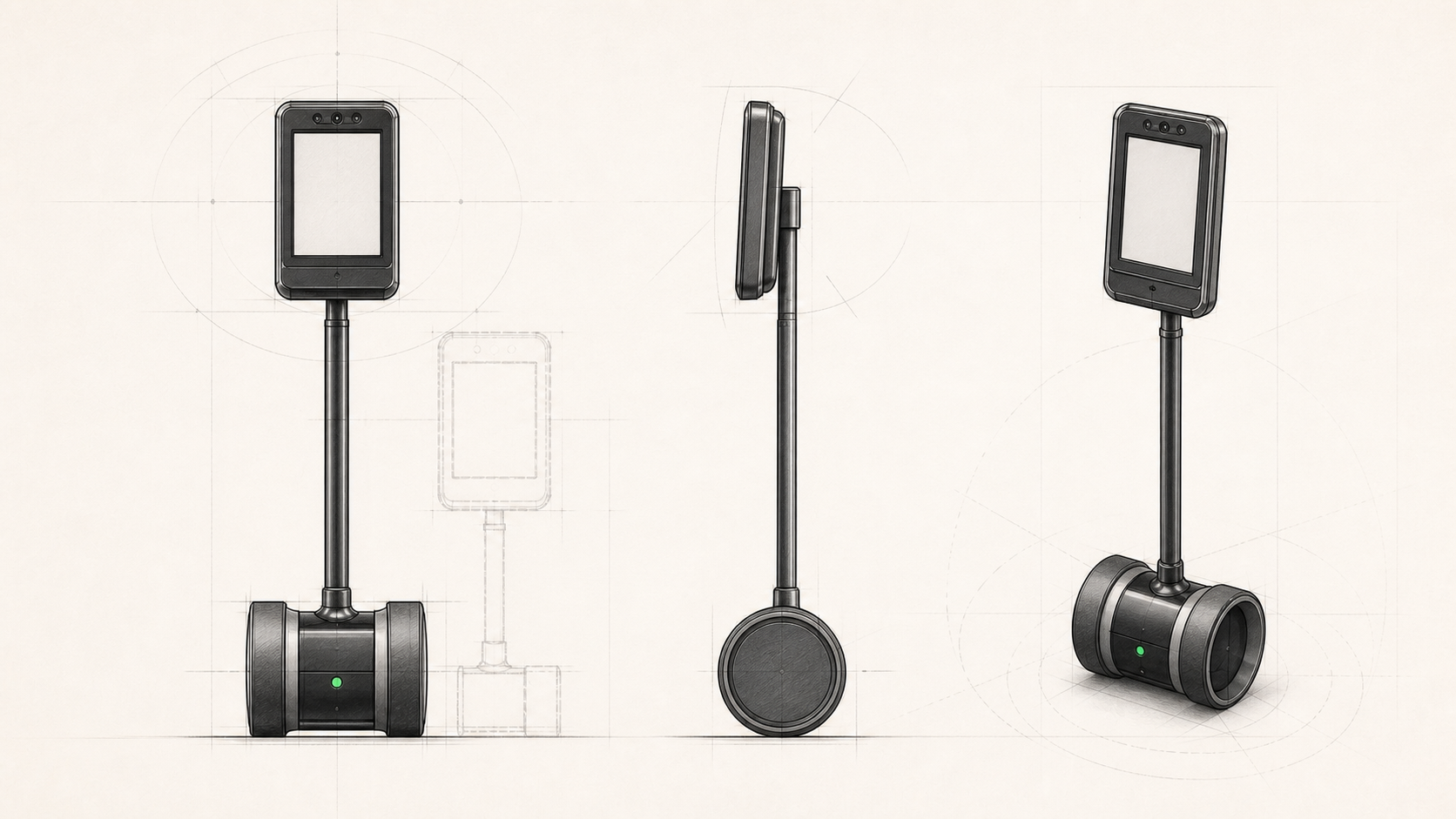 Touch displayMotorised wheels
Engineering baseline / In development
The current system architecture is being integrated for trials in a real museum. Components and operating limits will be validated against safety, accessibility and conservation requirements.
04 / Validation commitment
These figures are pilot targets, not results already achieved.
05 / Accessibility
Each person chooses: speak, type or touch.
Text made easier to read: captions, contrast and magnification.
Stories made to be heard: audio and audio description.
Conversations that can also happen in sign language.
Tested with people, in real visiting situations.
Accessibility as a starting point, not a final adaptation.
06 / Roadmap
Indicative schedule, subject to funding, technical validation and supply.
Hardware, adaptive structure, interface, museum knowledge and safety functions are being developed as one product.
Supervised sessions with museum teams and visitors will test interaction, movement, accessibility and usefulness in context.
Evidence from the museum trials will refine the product, operating procedures and production specification.
Planned delivery to the first museums, subject to validation and production.
07 / Founding partners
For the first confirmed units — €2000 below the estimated standard sale price of €7,999.
01 Priority when the first units are scheduled.
02 A place in product discovery and feedback sessions.
03 Transparent updates on development milestones.
08 / Pre-reservation
Transport, installation, adaptation of the space, content, ongoing services, connectivity and applicable taxes will be quoted separately.
09 / Frequently asked questions
Not yet. MIRA is in development. The form, images and interactions shown on this page are conceptual and may evolve after testing, certification and production decisions.
No. This page only prepares a pre-reservation request. After reviewing the museum’s context, Unloop will provide a written agreement covering scope, schedule, payment, cancellation and refund terms. The reservation is only confirmed once that agreement is accepted and the €999 deposit is paid.
€999 is the planned reservation deposit and will be deducted from the final price. €5,999 is the founding partner price planned for the first confirmed units. €7,999 is the current estimated standard sale price for one base unit. Services, taxes and additional costs will be itemised in the written commercial proposal.
It is the current target, not a guarantee. Timing depends on prototype completion, safety and accessibility testing, the supply chain and production capacity. Any final commitment will have its own schedule and conditions.
That is not the goal. MIRA handles recurring questions, languages and independent exploration, giving the team more time for deeper human mediation, welcoming visitors and handling complex situations.
Not by default. The planned architecture separates curated knowledge from AI services and prohibits using collections, questions, voice or images for training without a defined purpose, legal basis and explicit authorisation.